
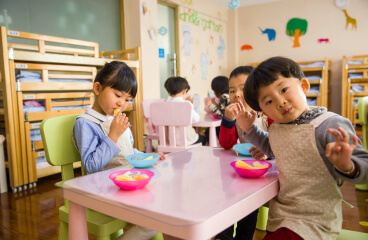
Keeping little ones protected and thriving
Children learn by exploring. They touch, climb, taste, and try everything. Exploration helps them grow, but it also means we must keep them safe along the way. A healthy and secure environment supports strong development and happy childhood memories.
This guide shares simple steps parents can follow to protect their children every day.
Safe home, safe child
Homes should be comfortable and danger-free. Small changes make a big difference.
✅ Lock away sharp objects and cleaning products
✅ Cover electrical outlets
✅ Keep small items out of reach to prevent choking
✅ Use safety gates for stairs
✅ Secure furniture that could tip over
✅ Never leave a young child alone near water
A little prevention protects tiny hands and curious minds.
Healthy habits for growing bodies
Good health supports learning and energy.
• Offer clean drinking water
• Serve balanced meals with fruits and vegetables
• Encourage daily outdoor play
• Make handwashing a routine
• Ensure proper sleep and rest
• Keep regular doctor check-ups and vaccinations
Healthy habits today build strong bodies for tomorrow.
Safety during play
Play teaches children about the world.
✔ Choose age-appropriate toys
✔ Check for broken parts or sharp edges
✔ Clean toys regularly
✔ Supervise near playgrounds and parks
✔ Use helmets for bicycles or scooters
Play should be fun and safe together.
Preventing common childhood injuries
Most injuries can be avoided with careful attention:
• Burns: Keep hot liquids away from children
• Falls: Use non-slip mats, avoid slippery floors
• Choking: Teach children to sit while eating and chew well
• Drowning: Always supervise near baths, pools, or buckets of water
• Road safety: Hold hands near traffic, use proper car seats if available
A child’s safety grows stronger with guidance and routine.
Supporting emotional well-being
Health is not only physical. Children need emotional safety too.
• Show affection and listen to their feelings
• Praise positive behavior
• Keep routines steady
• Stay calm during conflicts
• Protect children from yelling or frightening situations
Feeling loved helps children learn confidence and kindness.
When to seek medical help
Parents should get medical advice if they notice:
• High fever that does not improve
• Difficulty breathing
• Severe dehydration
• Continuous vomiting or diarrhea
• Unusual rash or sudden changes in behavior
Trust your instincts. If something feels wrong, support from a doctor can help quickly.
Safe children grow strong
Parents and caregivers are the heroes of childhood safety. With watchful care, children can explore the world freely and happily.
A protected child is a confident child.
A healthy child is a smiling child.
By creating a safe environment, we give children the freedom to grow, learn, and enjoy every moment.